Balancing nature and downtime: planning screen-free family time outdoors
For many families, the pull of screens is constant. Tablets, phones, and televisions offer easy entertainment, but they can also crowd out the kind of unstructured outdoor time that children and adults benefit from. Planning a day away from devices does not mean leaving all technology behind. It means choosing activities that naturally draw everyone's attention to the world around them.
Chattanooga is a city built for this kind of outing. With its riverfront, green spaces, and network of trails, it rewards families who step outside with something to explore at every turn. The key is to pick a destination that holds interest for different ages and energy levels, then let the day unfold at a pace that suits the group.
Choosing a destination that works for everyone
The best screen-free outings start with a place that offers variety. A single long hike may work for older kids and adults, but younger children often need more frequent stops and a change of scene. Look for a location that combines open space, natural features, and a short, manageable trail. A park with a creek, a pond, or a small hill gives children something to investigate without the pressure of covering distance.
Think about the age range of the group. A preschooler might be happy watching bugs near a picnic table, while a ten-year-old may want to climb rocks or scramble up a slope. If the group includes both, a site with multiple zones - a grassy area, a wooded path, and a water feature - lets everyone find their own kind of fun. Berlin is one such place where families can spread out and enjoy the outdoors at their own pace.

Activity length and trail difficulty
Screen-free time works best when no one feels rushed or exhausted. For a family outing, a trail that takes about an hour to walk at a relaxed pace is often enough. If the trail is too long or too steep, younger children may tire out before the end, and the mood can shift from curious to cranky. Check the trail difficulty rating before you go. A moderate trail with gentle elevation changes gives a sense of adventure without pushing anyone to their limit.
Rest areas along the way make a big difference. A bench overlooking a view, a flat spot for a snack break, or a shady patch where everyone can sit for a few minutes helps reset the group's energy. If the trail has no benches, plan your own rest stops. Sitting on a log or a flat rock and watching the clouds or listening for bird calls can be just as refreshing as a planned rest area.
Packing for comfort and curiosity
What you bring shapes the day. Water and snacks are obvious, but a few simple extras can turn a walk into an exploration. A small magnifying glass, a field guide to local birds or plants, or even a sketchbook and pencil let children engage with what they see. These items do not require batteries or a charge, and they encourage looking closely rather than scrolling past.
Sun protection and insect repellent are worth packing, especially in warmer months. A hat with a brim and a light long-sleeved shirt can reduce the need for reapplying sunscreen on a long outing. If the weather forecast calls for heat, pick a trail with good shade coverage and start early in the morning or late in the afternoon.
Parking can be a hidden stress point. Some popular trailheads fill up quickly on weekends, and circling for a spot eats into outdoor time. Arriving before mid-morning usually helps, as does checking the site's parking information beforehand. If parking is limited, consider a less crowded alternative nearby. The goal is to spend time outside, not in the car.
Restrooms and practical logistics
For families with young children, knowing where the restrooms are can make or break an outing. Not every trailhead has them, and a long walk back to the car for a bathroom break can disrupt the flow of the day. Before heading out, check whether the destination has restrooms and where they are located along the route. If none are available, plan a short loop that stays close to the car or a picnic area.

Some parks have restrooms only at the main entrance, while others have them at intervals along the trail. Knowing this in advance helps you decide whether to do a full loop or a shorter out-and-back walk. It also lets you set expectations with the kids, so they know when a break is coming.
Letting the day lead
Once you are out, the best screen-free time happens when you follow the group's curiosity. A child who stops to watch a caterpillar cross the path is already engaged. Rushing them to the next landmark defeats the purpose. Leave room for spontaneous detours - a side trail that looks interesting, a patch of wildflowers worth examining, or a quiet spot for a game of I Spy.
Conversation flows naturally when there is no screen to compete with. Point out things you notice and invite the kids to do the same. Ask open questions: "What do you think made that hole in the tree?" or "How many different sounds can you hear right now?" These small prompts keep everyone tuned into the environment rather than retreating into their own heads.
One of the quiet pleasures of outdoor time is the way it resets everyone's mood. A child who was restless or irritable at home often relaxes once they are moving through open space. The same is true for adults. A walk in the woods or along the river can break a cycle of screen fatigue and help people reconnect with each other.
Making it a habit
A single screen-free afternoon is nice, but the real benefits come from making it a regular part of the week. You do not need a big destination every time. A local park, a short trail near the house, or even a backyard picnic can serve the same purpose. The habit matters more than the location.
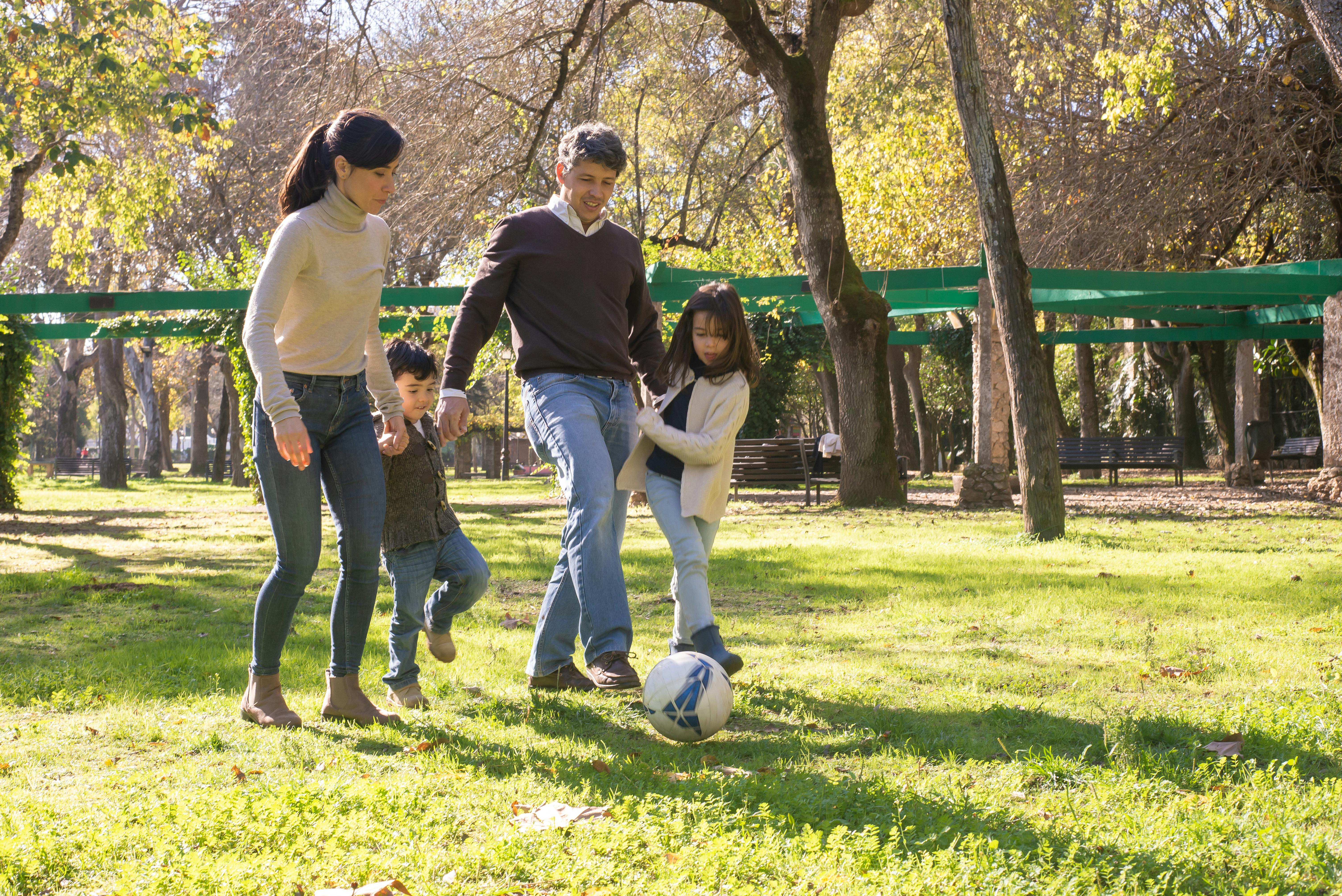
Try a weekly outdoor family time and treat it as non-negotiable, like a meal or a bedtime. Let the kids help choose where to go. When they have a say in the plan, they are more invested in the experience. Rotate through a few favorite spots so that each visit feels familiar but not stale. Over time, the family will build a shared memory bank of outdoor moments that no screen can replace.
Chattanooga offers many places where families can step away from devices and into nature. Whether it is a riverfront walk, a hike up a gentle slope, or an afternoon exploring a park, the city's outdoor attractions give families room to breathe. Berlin is one example of a space that invites this kind of unhurried, screen-free connection with the outdoors. The trick is to keep it simple, stay flexible, and let the outdoors do what it does best: draw people out of their heads and into the moment.